
 E-Paper






The Hindustan Times US Desk brings you the latest news and developments from across the United States. The team covers everything from breaking news and politics to sports, business, entertainment and stories that are trending across the country. Our coverage includes the White House, Congress, US elections, immigration and visa updates, H-1B, green cards, Social Security, education, jobs, layoffs, the economy, technology and major policy changes. We also closely follow stories that matter to Indian and South Asian communities in the US. The desk covers major US sports, including the NFL, NBA, MLB and NHL, along with player news, injuries, schedules, results and major events. Entertainment coverage includes Hollywood, celebrities, television, streaming, music and pop culture. We also report on breaking developments, major incidents, weather, public safety, court cases and other stories making headlines across the country. When a major policy or news development affects people's everyday lives, the team works to explain what happened, what it means and what readers need to know. Alongside breaking news, the US Desk produces explainers and practical stories on topics such as immigration, Social Security, taxes, education, employment and government programmes. The team also works on science, tech, business and AI stories analyzing the impact they may have on people. The team follows developments throughout the day, keeping an eye on official announcements, public records, reliable news sources and what people are talking about across the US.
 Trending News
In 1983, Sinclair tried to make a flat-screen pocket TV; its unusual picture tube needed a special lens to stretch the image into shape
Sinclair's 1983 FTV1 used a sideways-firing picture tube and a Fresnel lens to produce an enlarged image in a portable television.


In 1983, Sinclair Research introduced an ambitious attempt to make a television small enough to fit in a pocket without the bulky picture tube used in conventional sets. Its FTV1 used an unusual cathode-ray tube (CRT) with a front-mounted Fresnel lens to enlarge the small monochrome image. According to the Science Museum Group's collection record, the Sinclair FTV1 miniature television receiver was manufactured by Sinclair Radionics Limited in 1983. It measured 90 by 140 by 32 mm and weighed 300 grams.
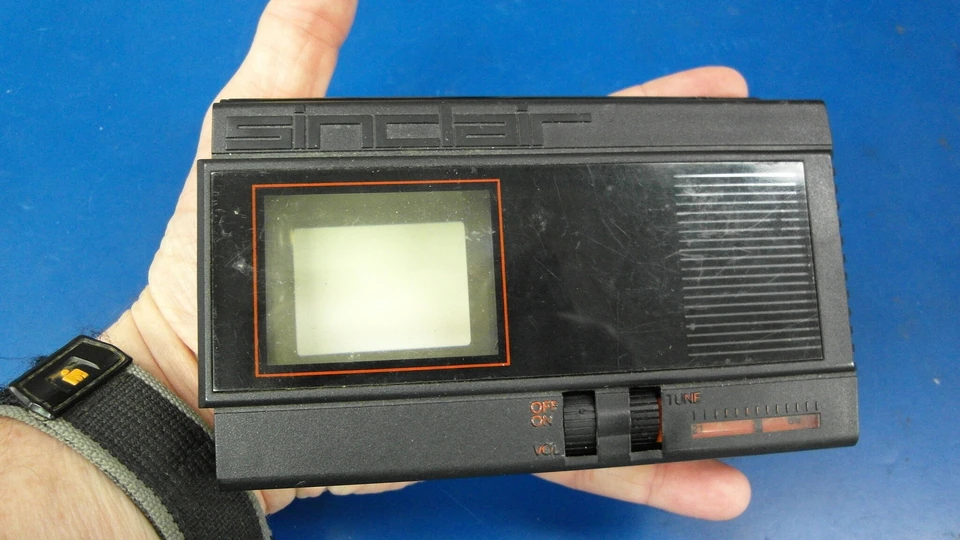
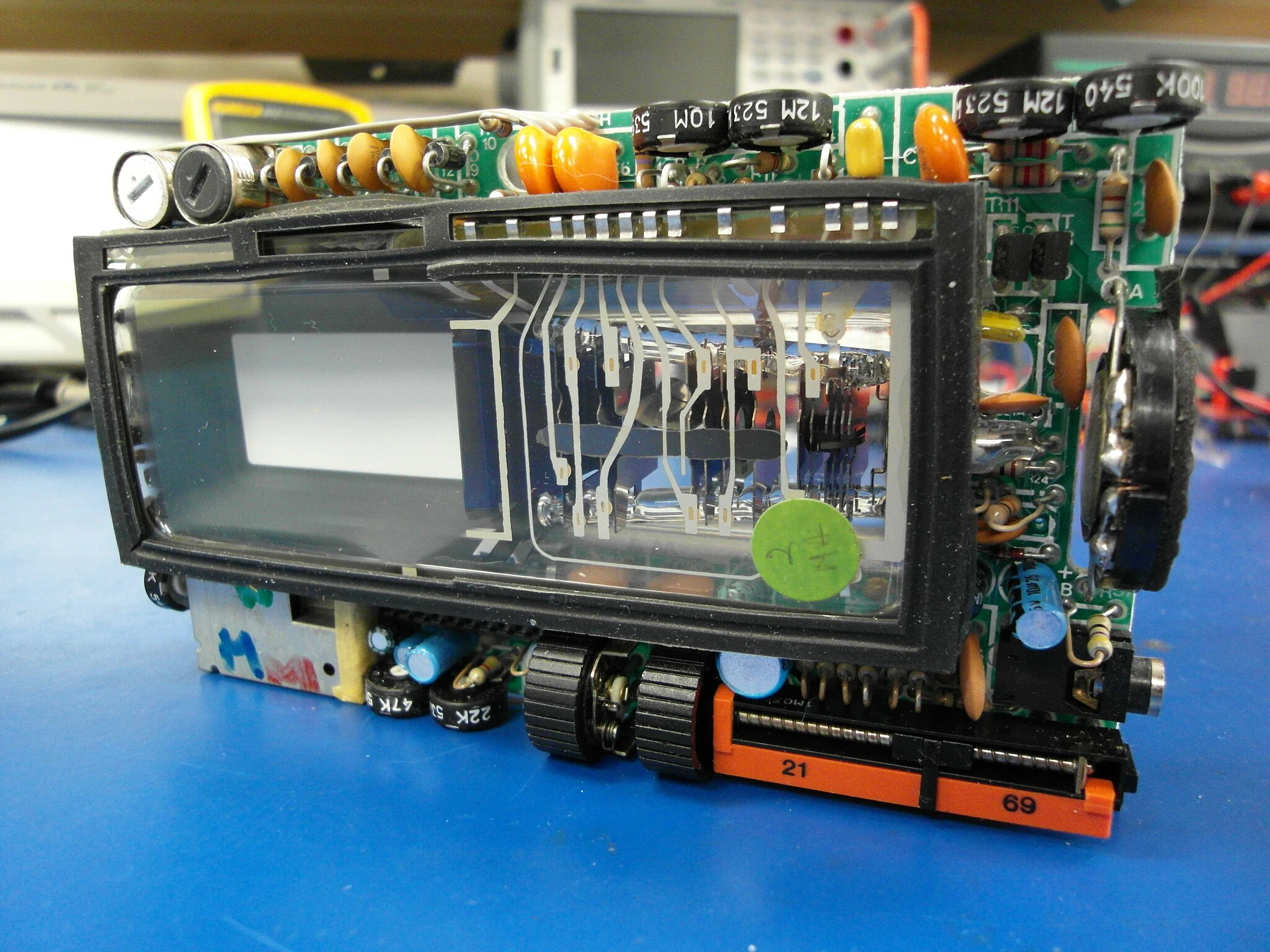
This design was unusual because the CRT's electron gun was positioned to one side of the screen, with its axis parallel to the viewing surface, rather than behind it, as in a conventional television. In a traditional CRT, the electron gun sits behind the screen and fires an electron beam towards its phosphor-coated surface, requiring considerable depth. Sinclair's design took a different approach: the beam travelled parallel to the screen before electrostatic deflection plates bent it through 90 degrees towards the phosphor-coated display.
Picture tube that broke the rules
The December 1983 issue of Hobby Electronics described Sinclair's pocket television as having a two-inch monochrome screen. It reported Sinclair's claim that the unusual picture tube produced an image up to three times brighter than conventional televisions, using the same beam energy. The tube used three sets of electrostatic deflection plates. Two controlled the horizontal and vertical scanning, while a third bent the electron beam towards the phosphor-coated screen, according to Sinclair Research's 1981 technical description.
This unusual path created problems: without adjustments, the image would not appear rectangular. Because the electron beam was angled rather than horizontal, it distorted the image and produced curved vertical edges and a trapezium-like picture. This design contained both electrical and optical corrections. To reduce the power required for vertical scanning, the image height was initially reduced while its width remained unchanged. A Fresnel lens incorporated into the faceplate then optically restored the picture's height, according to the November 1983 issue of Television. This helped to correct the image and reduce the corrections required from the television's vertical scanning system.
According to the December 1983 issue of Hobby Electronics, development of the flat-screen television took six years and cost more than £4 million. The magazine also reported that most of the television's signal-processing functions were handled by a single integrated circuit designed by Sinclair Research and manufactured by Ferranti. The chip could be adjusted to accommodate different broadcast systems. The tuner measured just 31 by 23 by 11 mm and used hybrid microminiature components.
The magazine also estimated the price of the device at around £80 and indicated that it would start selling through the mail, where consumers had to make an application and not just place an ordinary order. Production was low at first but was intended to be stepped up as manufacturing capacity improved. Battery life was estimated at around 15 hours, with a mains adapter also available. The device also came with an earphone for private listening while on the move.
The technology behind the miniature screen
The 2021 teardown covered in Hackaday provided more information about the tube. It revealed that the electron gun was mounted to one side in order to conserve space while also indicating that the Fresnel lens was the part that made the tiny picture larger. There was also a description of circuitry that converted low-voltage power to high-voltage power.
An engineer who had helped design the FTV1's electronic components offered further technical insight in the comment section. The engineer explained that the lens magnified the image vertically rather than horizontally, building on the optical correction described earlier. The vertical scanning system was more power-efficient this way because it did not have to compensate as much for distortion caused by the sideways-fired electrons.
The engineering was by no means a guarantee of success in business. Hackaday stated that development had reportedly cost around £4 million, and around 15,000 units had been sold. Judging from these numbers, the FTV1 could be considered a niche device with its unusual engineering.











