
 E-Paper






The Hindustan Times US Desk brings you the latest news and developments from across the United States. The team covers everything from breaking news and politics to sports, business, entertainment and stories that are trending across the country. Our coverage includes the White House, Congress, US elections, immigration and visa updates, H-1B, green cards, Social Security, education, jobs, layoffs, the economy, technology and major policy changes. We also closely follow stories that matter to Indian and South Asian communities in the US. The desk covers major US sports, including the NFL, NBA, MLB and NHL, along with player news, injuries, schedules, results and major events. Entertainment coverage includes Hollywood, celebrities, television, streaming, music and pop culture. We also report on breaking developments, major incidents, weather, public safety, court cases and other stories making headlines across the country. When a major policy or news development affects people's everyday lives, the team works to explain what happened, what it means and what readers need to know. Alongside breaking news, the US Desk produces explainers and practical stories on topics such as immigration, Social Security, taxes, education, employment and government programmes. The team also works on science, tech, business and AI stories analyzing the impact they may have on people. The team follows developments throughout the day, keeping an eye on official announcements, public records, reliable news sources and what people are talking about across the US.
 Trending News
In 2003, Nokia combined a phone and game console in the N-Gage; changing games required removing the battery, and calls meant holding it sideways
Nokia’s N-Gage combined gaming and calls, but battery-removal game swaps and its sideways “Taco Phone” design hurt sales.


In October 2003, Finnish technology company Nokia introduced an unusual handheld device that aimed to combine mobile communication and video gaming. Together, it was called the N-Gage. The device combined a mobile phone with a portable gaming console, allowing users to make calls, listen to music, and play video games on a single handset. The idea was ambitious at a time when handheld gaming was largely dominated by dedicated consoles such as Nintendo's Game Boy Advance.
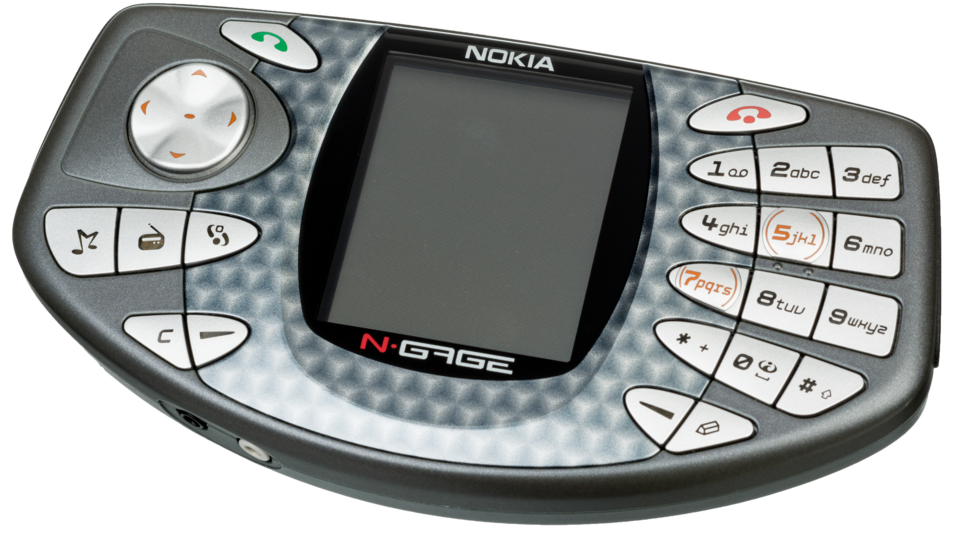
According to a 2003 report by The Guardian, Nokia positioned the device as an attempt to combine a mobile phone with multiplayer gaming for people who wanted entertainment while traveling. The N-Gage soon attracted attention for reasons beyond its gaming capabilities. Users had to remove the battery whenever they wanted to change a game, while making a phone call required holding the device sideways against the ear. The unusual device choices earned it the name ‘Taco Phone ', which became a major part of its public reputation. Despite its commercial difficulties, the N-Gage represented an early attempt to combine functions. That would later become a common feature of smartphones.
Nokia's attempt to bring mobile phones and gaming together
Nokia created the N-Gage as a way to tap into the expanding market for handheld gaming and give more functionality to its mobile phone line. Nokia was already one of the largest companies in the world for mobile phones, but the company wanted to beef up its presence in entertainment and digital media. It was announced in 2002 and released in stores in October 2003. Unlike mobile phones, the N-Gage was horizontally oriented and designed as a game device, with a colour screen located between the directional keyboard and the numeric keypad.
As a cell phone device, the N-Gage used the Symbian operating system, played MP3 files, had an FM radio, and was equipped with Bluetooth for local multiplayer competition and GPRS support for network connectivity. Traditional game publishers like Sega, Electronic Arts, and Eidos were also lured to write for the device. Release titles included Tomb Raider, Tony Hawk's Pro Skater, and Sonic N and Pandemonium.
Unusual design choices created practical problems
Despite the many attractive features of N-Gage, its physical design was soon being ridiculed. The most awkward feature was the location of the game card slot. Games were available on MultiMediaCard, which was stored in a slot beneath the battery. To change a game, you had to turn off the device, remove its back cover and battery, put the new MMC in its slot, replace the battery, and switch the handset back on. The calling arrangement presented another problem. Instead of having the speaker and microphone on the front of the headset, the Nokia line of N-Gage had them on the narrow edge of the bodywork. This meant that every time someone made a call, they had to hold the headset sideways against his or her face. It was this strange new position that earned it the derogatory nickname of sidetalking.
In an article published in Mobile Media & Communication, a study noted how this feature embodied how Nokia was seeking to promote itself as a fun and quirky consumer brand aimed at the youth market. Nevertheless, the marketing scheme backfired as the design became a source of public mirth for both users and media. Furthermore, the design came up against stiff competition from the emerging Game Boy Advance with its more conventional style of gameplay. A launch price in the United States of $299 was also considered expensive. Much was paid to the graphics, Bluetooth multiplayer, and games, but the phone's convergence with the gaming console often proved to be more convenient than it was novel.
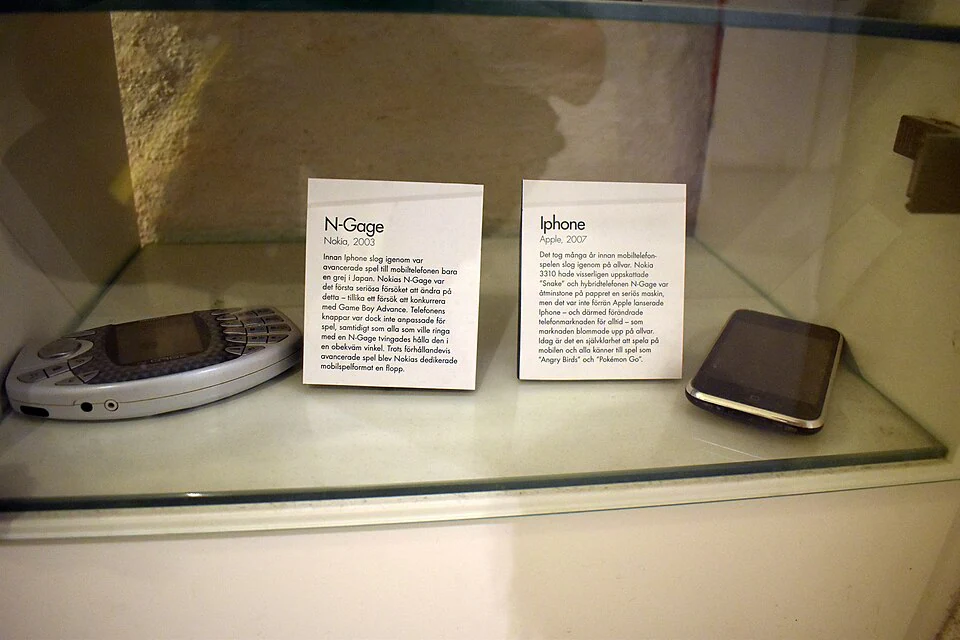
Nokia redesigned the device, but the original problems affected its legacy
Following the criticism, Nokia released the N-Gage QD in 2004, seven months after the launch of the original N-Gage. The design team addressed two of the most common complaints: the external game card slot let players swap games without removing the battery, and the speaker and microphone were relocated for normal phone calls. According to a The Guardian report in April 2004, the QD also offered improved battery performance and a more compact design. However, Nokia removed some features from the original model, including its MP3 player and FM radio. The redesign could not fully reverse the product’s commercial difficulties.











