
 E-Paper



Sehjal Gupta is a Chief Content Producer at Hindustan Times and is part of the US Desk. She covers a wide range of stories from the United States, including politics, sports, entertainment, breaking news, and major global developments. She enjoys working across different beats because every story brings a fresh perspective and an opportunity to explore something different. Before joining Hindustan Times, Sehjal was part of The Times of India, where she headed the International Sports and US Streamers team. She reported on international sports, athlete stories, streamer news, and major developments from around the world. The role gave her the opportunity to work on a diverse range of stories while leading coverage across two evolving news categories. She holds a Bachelor of Business Administration (BBA) and believes the experience taught her the importance of staying organised, managing priorities, and adapting to new challenges. Over the years, she has reported on a variety of topics and enjoys taking on stories that keep her curious and encourage her to look beyond the obvious. Expertise: International news, International/US sports, and streamer coverage. Interests: Global affairs, geopolitics, politics, and entertainment. Outside work, Sehjal loves travelling, watching movies, and exploring new places to eat. She enjoys discovering new cultures and believes that some of the best stories and experiences come from stepping outside her comfort zone and exploring unfamiliar places.
 Trending News
US jury convicts Huawei of trade secrets theft conspiracy, Iran-related bank fraud
A US jury convicts Huawei on 10 criminal counts involving Iran business and trade secrets.


Chinese telecommunications company Huawei has been found guilty on 10 criminal counts in a US trial involving allegations that it misled banks about its business in Iran and stole trade secrets from American technology companies.
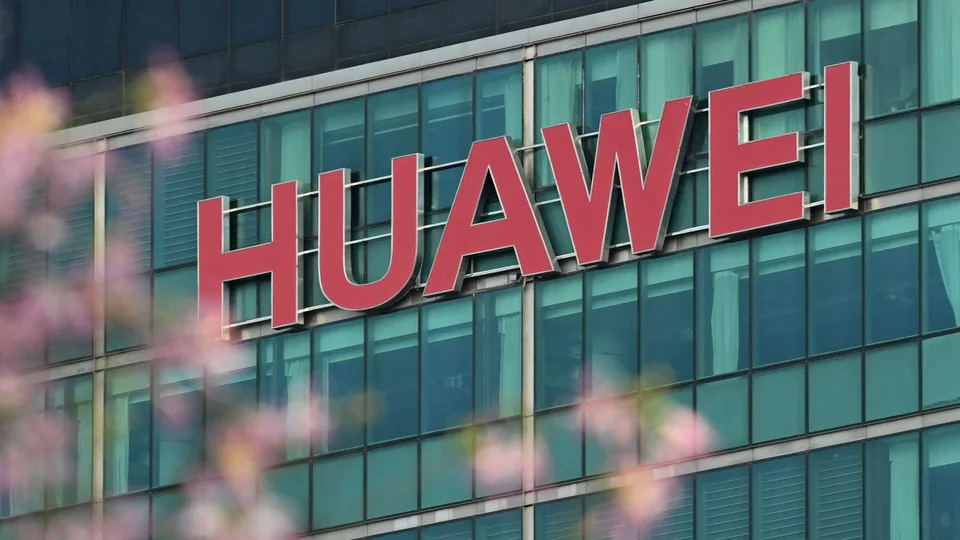
A federal jury in Brooklyn, New York, delivered the verdict on Tuesday after a trial lasting more than two months. According to Reuters, jurors also cleared Huawei of racketeering conspiracy, which accused the company of operating as a criminal enterprise.
Huawei and three of its affiliates faced 12 charges, including bank fraud, wire fraud, violations of US sanctions and conspiracy to steal trade secrets. Prosecutors alleged that the company concealed details of its Iranian operations from financial institutions and obtained technology belonging to several US businesses.
Deep Dive

In a statement after the verdict, Huawei rejected the charges on which it was convicted, calling them legally unfounded. The company also pledged to take legal action to defend its rights and interests.
How the US case against Huawei began?
The criminal case dates back to 2018, when US authorities accused Huawei of misleading banks about its business activities in Iran. Prosecutors alleged that the company gave HSBC, Standard Chartered and BNP Paribas an inaccurate picture of its operations, allowing it to move money despite US sanctions.
Also Read: US eyes Iran as possible culprit behind wave of cyberattacks on ships: Report
Reuters reports published in 2012 and 2013 about Huawei's activities in Iran were also discussed during the trial. Prosecutor Meredith Arfa referred to the reporting in her closing argument, highlighting how questions about the company's operations had also raised concerns among its banking partners.
The US government placed Huawei on a trade blacklist in 2019, restricting its access to American technology. Despite years of scrutiny, the company has continued to expand and has become an important player in China's artificial intelligence push, Reuters reported.
Prosecutors alleged theft of US technology
In 2020, prosecutors added allegations that Huawei had conspired to steal trade secrets from American technology companies over two decades.
The prosecution presented claims involving Cisco Systems, wireless telecommunications company Quintel and semiconductor company CNEX. It alleged that Huawei took source code used in Cisco routers, obtained Quintel's antenna technology and sought access to a circuit board developed by CNEX.
Also Read: Alice Huang linked to businesses that worked with Nvidia's Chinese competitor Huawei: Report
Jurors also watched footage that prosecutors claimed showed a Huawei employee taking part of a T-Mobile testing robot and placing it in a backpack. Another allegation involved a Huawei engineer photographing a device at a Fujitsu trade show booth.
Huawei disputed the prosecution's claims
Huawei's defence argued that banks already knew about its business in Iran and continued competing for its business. During closing arguments, lawyer Brian Heberlig accused prosecutors of selecting separate incidents to build their case for a long-running conspiracy.
The trial included testimony from more than 60 prosecution witnesses and 15 defence witnesses.
The case also gathered international attention in December 2018, when Huawei chief financial officer Meng Wanzhou, the daughter of the company's founder, was detained in Canada on a US warrant.
She was accused of misleading an HSBC banker about the company's Iran business. After nearly three years of fighting extradition, Meng entered a deferred prosecution agreement and returned to China. The charges against her were later dropped.











