
 E-Paper



Asmi is a Senior Content Producer primarily covering stories related to NRIs, immigration, visas, citizenship and global mobility. She closely follows developments that affect Indians living, working and studying abroad, with a particular focus on translating complex policies and international developments into clear, accessible stories for readers. As part of the US Desk, Asmi also reports on a wide range of political, economic and social developments in the United States, exploring their relevance to Indian and global audiences. Her work spans breaking news, features, trends and explanatory stories, with an emphasis on accuracy, timely reporting and audience-focused storytelling. Asmi likes finding the human angle behind major developments and bringing context to stories that can often feel complicated or distant. She is especially interested in stories around immigration, life abroad, careers, education and the experiences of the Indian diaspora, while also exploring a wide range of topics that spark curiosity and conversation. Outside the newsroom, Asmi is an avid reader and loves travelling, discovering new places, experiencing different cultures and collecting stories along the way.
 Trending News
US judge bars Trump administration from enforcing revised birthright citizenship limits
Two federal judges have blocked enforcement of President Donald Trump’s revised order seeking to limit birthright citizenship.


A US federal judge has blocked President Donald Trump’s latest attempt to restrict birthright citizenship, delivering another setback to the administration’s immigration agenda. The ruling prevents the government from enforcing its revised restrictions against children covered by a class-action lawsuit.
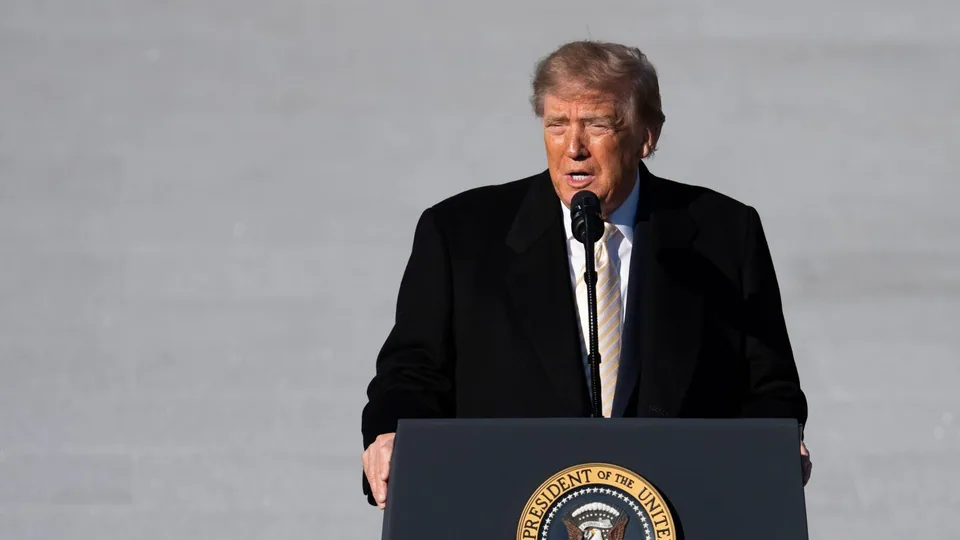
US District Judge Christopher R Cooper in Washington, DC, issued a preliminary injunction on November 25, ruling that the president cannot create additional exceptions to the constitutional guarantee of citizenship for children born in the US and subject to its jurisdiction, according to a report by Bloomberg Law.
The decision follows a September ruling by another federal judge who also blocked Trump's revised executive order.
Also Read: IBM gives H-1B professionals three weeks to relocate or leave the US
What Trump's revised birthright citizenship order proposed
Trump signed the revised executive order on August 6, seeking to narrow the categories of children automatically eligible for US citizenship at birth.
The order targeted children born in the US to parents who were neither American citizens nor lawful permanent residents. It also sought to cover children whose parents were foreign government employees or representatives of international organisations without diplomatic immunity.
The administration's restrictions also addressed children born through commercial surrogacy arrangements and cases involving parents classified as suspected gang members or potential terrorists.
The revised order followed the Supreme Court's June 2026 decision rejecting Trump's earlier attempt to restrict birthright citizenship. The administration had argued that the new measures were consistent with the court's ruling.
However, Cooper disagreed, saying the president could not introduce additional exceptions to the constitutional protection. He also granted class-action status to the lawsuit, extending the legal protection to children covered by the case.
Second court setback for Trump administration
The latest decision follows a September ruling by US District Judge Deborah Boardman in Maryland, who also blocked enforcement of the August executive order.
The two rulings prevent the administration from implementing the restrictions against the children covered by the respective legal challenges while the cases proceed, Reuters reported.
The White House criticised the latest decision. Spokesperson Lauren Bis described it as another ruling by an activist judge seeking to obstruct Trump's agenda and maintained that the executive order was legally sound.
Birthright citizenship dispute centres on 14th Amendment
The legal battle centres on the 14th Amendment to the US Constitution, which grants citizenship to people born or naturalised in the country and subject to its jurisdiction.
Trump's administration has argued that the constitutional provision should not automatically apply to children whose parents are in the US illegally or on temporary visas.
The American Civil Liberties Union, which represented the plaintiffs, welcomed the latest injunction. Cody Wofsy, deputy director of its Immigrants' Rights Project, said the ruling reaffirmed that birthright citizenship remained the law of the land.
The administration will have to challenge the court decisions before it can enforce the revised restrictions.











