
 E-Paper






Adrija Dey’s proclivity for observation fuels her storytelling instinct. As a lifestyle journalist, she crafts compelling, relatable narratives across diverse touchpoints of the human experience, including wellness, mental health, relationships, interior design, home decor, food, travel, and fashion that gently nudge readers toward living a little better. For her, stories exist in flesh and bones, carried by human vessels and shaped through everyday endeavours. It is the small stories we live and share that make us human. After all, humans and their lores are the most natural and raw repositories of stories, and uncovering them, for her, is akin to peeling an orange under a winter afternoon sun. Always up for a chat, she believes the best stories come from unfiltered yapping, where "too much information" is kind of the point. A graduate of Indraprastha College for Women, University of Delhi, and an alumna of the Indian Institute of Mass Communication (IIMC), Delhi, Adrija spends her idle hours cocooned with herbal tea and a gripping thriller, scribbling inner monologues she loosely calls poetic pieces, often with her succulents in attendance. On lazier days, she can be found binge-watching, for the nth time, one from her comfort-show holy trinity: The Office (US), Brooklyn Nine-Nine, or Modern Family. Dancing by herself to her peppy playlists, however, is an everyday ritual she swears by religiously.
Sour burps after dinner? Surgeon shares 7 winter habits that may worsen acidity, from eating dinner late to drinking less water



Winter habits such as low water intake, fried foods, large portions, and late meals may trigger constipation or acidity.
Acidity, bloating, and a feeling of heaviness after meals are common digestive complaints during winter. You may also experience sour burps or constipation. Some of your everyday habits may be contributing to these problems.
We asked Dr Arpit Bansal, laparoscopic and cancer surgeon, director, Jeevan Jyoti Multispecialty Hospital, Prayagraj, about these common complaints. He explained that adjusting your eating habits and daily routine can help manage them.
1. Drinking less water
During winter, you may feel thirsty less often and drink less water as a result. The surgeon said that drinking too little water can contribute to constipation. So make sure you drink enough water even if you don't feel thirsty.
2. Eating a lot of fried snacks
As the days grow shorter, many people reach for fried snacks on winter evenings. Though fried snacks are perfect with tea, Dr Bansal pointed, "While these foods are tempting, eating too much oily and heavy food can slow digestion and trigger acidity. Try to keep your meals light, especially at night.”
Winter is wedding season, and with so many fried snacks on offer, it is easy to pile your plate high. Keep an eye on your portion sizes, especially if you have already had a few starters before dinner.
3. Eating dinner late
Eating dinner late is another habit to watch out for. Avoid going to bed right after dinner. Dr Bansal said, "When you lie down immediately after eating, stomach acid can move back into the food pipe and cause a burning sensation. Try to finish dinner at least two to three hours before sleeping.”
4. Lot of tea and coffee
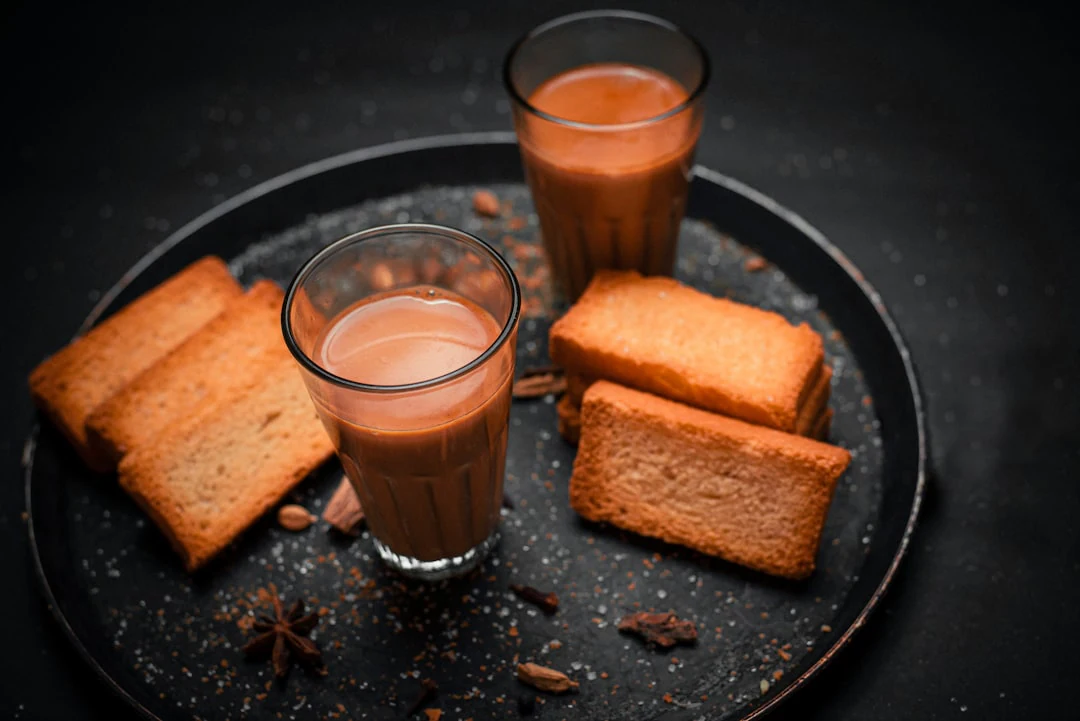
People may also drink more tea and coffee in winter, which can cause digestive discomfort for some. "Too much caffeine can worsen acidity in some people. Avoid drinking strong tea or coffee on an empty stomach, especially if it causes discomfort," Dr Bansal said.
5. Overeating
With so many weddings and family gatherings this season, the doctor warned that eating large portions, having too many sweets and drinking alcohol in one evening can upset your stomach. He advised enjoying your favourite foods while keeping an eye on portion sizes.
6. Overuse of painkillers
The expert also recommended avoiding painkillers, especially without any medical guidance: “I would also advise people not to take painkillers casually for winter aches and body pain. Some painkillers can irritate the stomach lining and increase the risk of ulcers. Always take them with proper medical advice.”
7. Ignoring physical activity
Getting out of bed on a cold morning can feel brutal, but Dr Bansal recommended a 10-15 minute walk after meals to aid digestion. He added that stress, poor sleep, and eating in a hurry can also worsen digestive problems. He advised taking your time over meals and maintaining a regular routine.
If your acidity keeps coming back, Dr Bansal advised getting it checked, especially if symptoms persist for more than two to three weeks. He also highlighted warning signs that call for prompt care. “Difficulty swallowing, unexplained weight loss, repeated vomiting or black stools need prompt medical attention. Sometimes, gallstones can also cause symptoms that feel like acidity,” he said.
A few simple changes can make winter much easier on your stomach. Drink enough water, avoid overeating, have dinner on time and stay active. You don't have to give up your favourite winter foods; just be mindful of how much and how often you eat them.
Note to readers: This article is for informational purposes only and not a substitute for professional medical advice. Always seek the advice of your doctor with any questions about a medical condition.
ABOUT THE AUTHOR

Catch your daily dose of Fashion, Taylor Swift, Health, Festivals, Travel, Relationship, Recipe and all the other Latest Lifestyle News on Hindustan Times Website and APPs.











