E-Paper




I switched from whey to Happy Cultures yeast protein powders: My 1-month experience with Dubai Kunafa chocolate and filter coffee flavours

 Prefer HTon Google


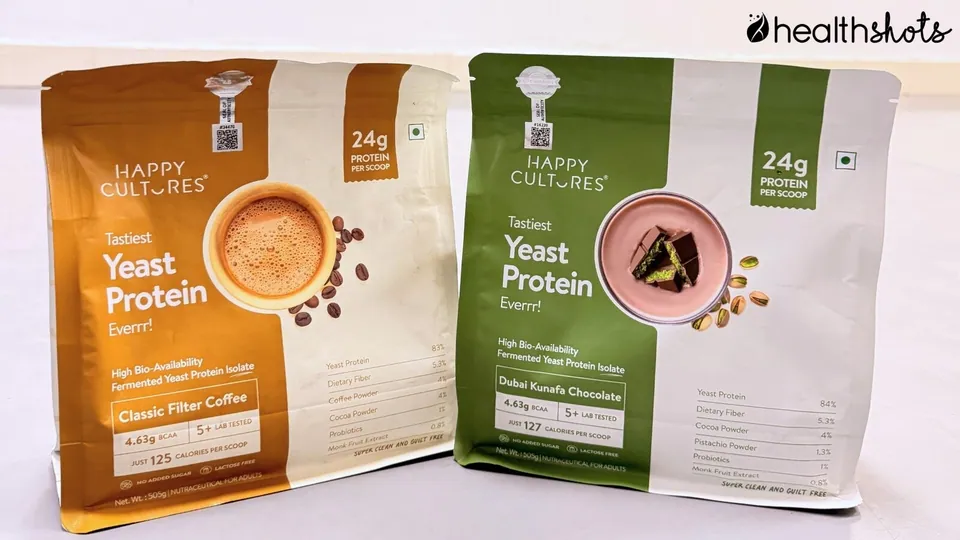
I tried two Happy Cultures yeast protein powders for a month after experiencing bloating with whey. Here's my take on taste, digestion, and recovery.
I have been using whey protein powder since last year, but it hasn't always been comfortable for my stomach. I would occasionally feel bloated and constipated after having it, which made me wonder if trying a different protein source could make a difference. Most whey protein powders available in the market offer around 24–30 g of protein per scoop, so switching isn't always about getting more protein.
Taste, mixability, and digestion matter just as much
I had heard mixed opinions about yeast protein, particularly that it doesn't taste as good as whey and can be difficult to drink regularly. Still, I decided to give it a chance. I tried two flavours from Happy Cultures for almost a month: Dubai Kunafa Chocolate and Classic Filter Coffee. Here's how they worked for me.
What is yeast protein?
Unlike whey, which comes from milk, yeast protein is made using microorganisms through fermentation. It is a dairy-free protein source and can be a useful alternative for people who avoid dairy or experience discomfort with certain milk-based protein powders.
Happy Cultures uses fermented yeast protein isolate in both products. Protein isolates are processed to provide a concentrated source of protein. Each scoop provides 24g of protein and 18 amino acids, including the nine essential amino acids that our bodies cannot produce on their own.
Both products also claim a PDCAAS score of 1. PDCAAS, or Protein Digestibility Corrected Amino Acid Score, measures protein quality by considering its amino acid profile and digestibility. A score of 1 is the highest rating on this scale. The products also provide 4.63g of BCAAs (branched-chain amino acids), including leucine, isoleucine, and valine. These amino acids play a role in muscle protein synthesis and recovery after exercise.
My experience with Happy Cultures yeast protein
I tried both flavours for almost a month, usually as part of my workout nutrition routine. My main reason for switching was to see whether a different protein source would be easier on my digestion.
Honestly, I was pleasantly surprised. I did feel slightly heavy after drinking the shakes on some occasions, but I didn't notice the same bloating and digestive discomfort that I sometimes experienced with whey. My digestion also felt better during this trial. I can't say that yeast protein alone was responsible, but the change was encouraging.
Both powders mixed easily, without leaving noticeable lumps or a chalky texture. However, the flavours were quite different, and I definitely had a favourite.
1. Happy Cultures Dubai Kunafa Chocolate Yeast Protein
505g pack | 24g protein per 36g scoop | 127 calories
This was easily my favourite of the two. I genuinely enjoyed the rich chocolate flavour with a noticeable pistachio and dessert-like taste. Before trying yeast protein, I was worried that the taste would be too unusual or unpleasant, but this one changed my impression.
What I liked:
- Taste: The chocolate-and-pistachio combination is delicious without being overwhelmingly sweet. It feels more like a dessert-inspired shake than a regular protein drink. I'd rate it 9/10 when mixed with plain water.
- Mixability: This gets a 10/10 from me. It blends easily, without lumps, and has a smooth texture rather than a gritty or chalky finish.
- Digestion: I found it quite comfortable on my stomach. I didn't experience the bloating or gas that I sometimes associated with whey.
- Versatility: I also tried adding half a teaspoon of instant coffee powder to the shake with chilled water or milk. It tasted even better and made for a nice change.
Each serving provides 24g protein, 4.63 g BCAAs, and 5.3% dietary fibre. The formula also contains cocoa powder, pistachio powder, monk fruit extract, stevia and Bacillus coagulans, a probiotic strain.
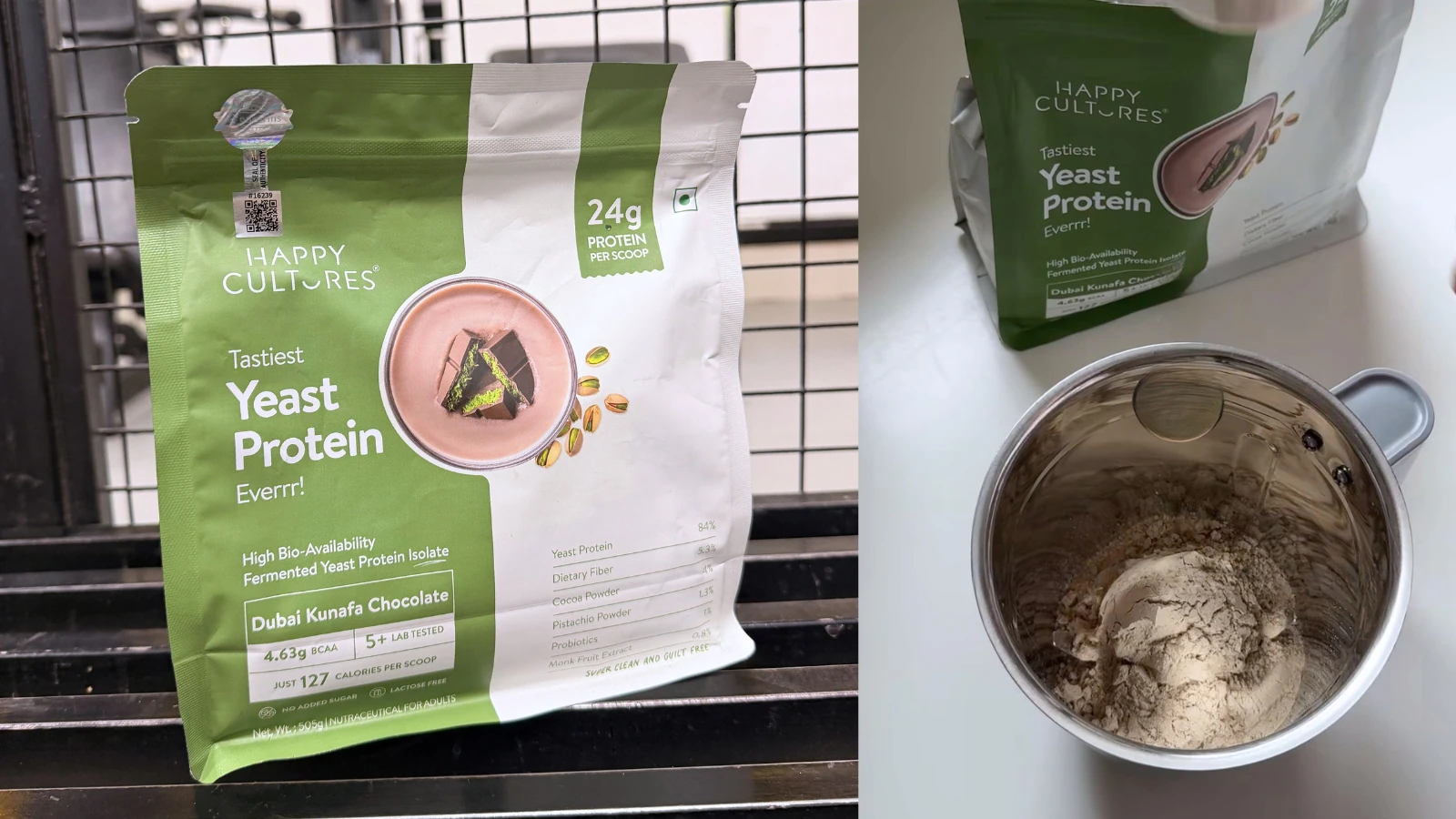
One ingredient worth mentioning is inulin, a type of prebiotic fibre that feeds beneficial gut bacteria. Bacillus coagulans is a probiotic, meaning it is a live microorganism added to support gut health. However, probiotics do not work the same way for everyone, and their benefits depend on the strain and amount used.
The product lists 87.5 million CFU of probiotics per serving. CFU stands for colony-forming units and indicates the number of viable microorganisms. It also contains no added sugar and is lactose-free.
What could be better?
The main drawback for me is the price. A 505g pack generally costs around ₹1,500– ₹1,700, depending on the retailer. It is also worth remembering that 24g of protein per scoop is useful, but you still need to meet your total daily protein requirement through your meals and supplements.
2. Happy Cultures Classic Filter Coffee Yeast Protein
505g pack | 24g protein per scoop | 125 calories
This was my first time trying a coffee-flavoured protein powder, so I was quite curious. The powder mixes smoothly with water or milk, and I didn't find it chalky or difficult to prepare. It also felt reasonably comfortable to digest.
However, the taste wasn't quite what I expected. It has a coffee flavour, but I found the aftertaste slightly bitter. It wasn't unpleasant, but I didn't enjoy it as much as the Dubai Kunafa Chocolate version. If I had to choose between the two, I would pick Kunafa without hesitation.
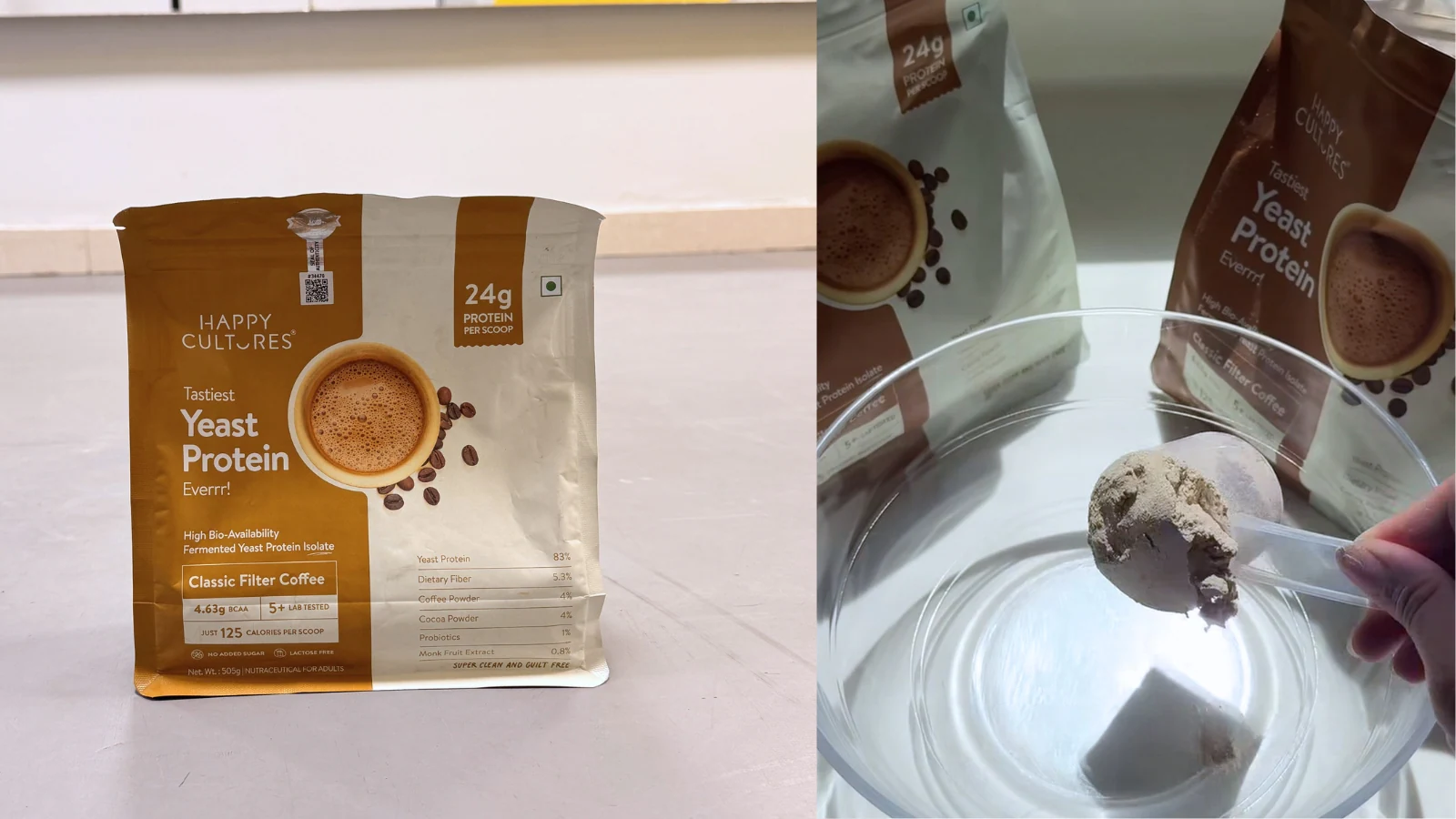
Like the chocolate variant, it provides 24g of protein and 4.63 g of BCAAs per serving, with 18 amino acids and no added sugar. Its ingredients include fermented yeast protein isolate, dietary fibre, filter coffee powder, cocoa powder, monk fruit and probiotics.
What could be better?
Taste is subjective, so someone who enjoys a stronger coffee flavour may like this one more than I did. But compared with the chocolate variant, I found this less enjoyable as an everyday shake. At around ₹1,075– ₹1,099 for a 505g pack, it is also worth considering whether you genuinely like the flavour before making it a regular part of your routine.
Yeast protein vs whey protein: What's the difference?
Whey is a dairy-derived protein that digests relatively quickly and is popular among gym-goers because of its high-quality amino acid profile. Yeast protein, on the other hand, is made through fermentation and is naturally free from lactose and dairy proteins.
Both can provide all nine essential amino acids when formulated as complete proteins. However, yeast protein is not automatically easier to digest for everyone. If you experience bloating from whey protein powders, the problem could be lactose, another milk component, the sweeteners, or other ingredients in the formula. A dairy-free alternative may be worth exploring, but individual responses differ.
Things to remember before trying yeast protein
Yeast protein can be a useful option for people looking for a dairy-free alternative, but it isn't suitable for everyone.
- Check for allergies: People with a known yeast allergy should avoid yeast-based products.
- Watch your gut response: Inulin and probiotics can cause gas, bloating, or changes in bowel habits in some people, particularly when introduced suddenly.
- Check the full ingredient list: Both products contain sweeteners such as monk fruit and stevia, so check whether these suit you.
- Don't rely only on supplements: Protein powders should complement a balanced diet, not replace meals.
- Consider your medical needs: If you have a medical condition, are pregnant or breastfeeding, or have dietary restrictions, check with a healthcare professional before using a new supplement.
My verdict: Would I choose yeast protein again?
After trying both Happy Cultures flavours for a month, I can say that yeast protein was a pleasant change from my usual whey routine. I particularly liked the Dubai Kunafa Chocolate variant for its taste, smooth texture, and how comfortable it felt on my stomach. The Classic Filter Coffee version also mixed well, but its bitter aftertaste wasn't quite for me.
I did notice a slightly heavy feeling at times, so I wouldn't describe either product as completely weightless after drinking. I also wouldn't claim that yeast protein is universally better than whey. Whey still has an advantage in taste and variety for many people, while yeast protein offers a dairy-free alternative worth considering. For me, the biggest benefit was being able to add protein to my routine without experiencing the same digestive discomfort I sometimes had with whey protein powder.
(Disclaimer: The products featured in this review were provided to HT Shop Now by the brand for testing and evaluation. The writer's opinion remains independent and is based on her personal experience with the items.)


Catch your daily dose of Fashion, Taylor Swift, Health, Festivals, Travel, Relationship, Recipe and all the other Latest Lifestyle News on Hindustan Times Website and APPs.