
 E-Paper




Rajouri GMC employees stop J&K chief secretary’s convoy over delay in service rules
These five GMCs, Anantnag, Baramulla, Doda, Kathua and Rajouri, were established in 2019. More than 3,300 non-gazetted employees, including nursing, paramedical, clerical and multitasking staff, are affected by the delay.




Protesting against “unwarranted” and “inordinate” delay in notifying service recruitment rules, employees of the non-gazetted cadre of Rajouri government medical college on Tuesday stopped the motorcade of chief secretary Sajjan Singh Yadav, demanding that rules be notified without further delay.
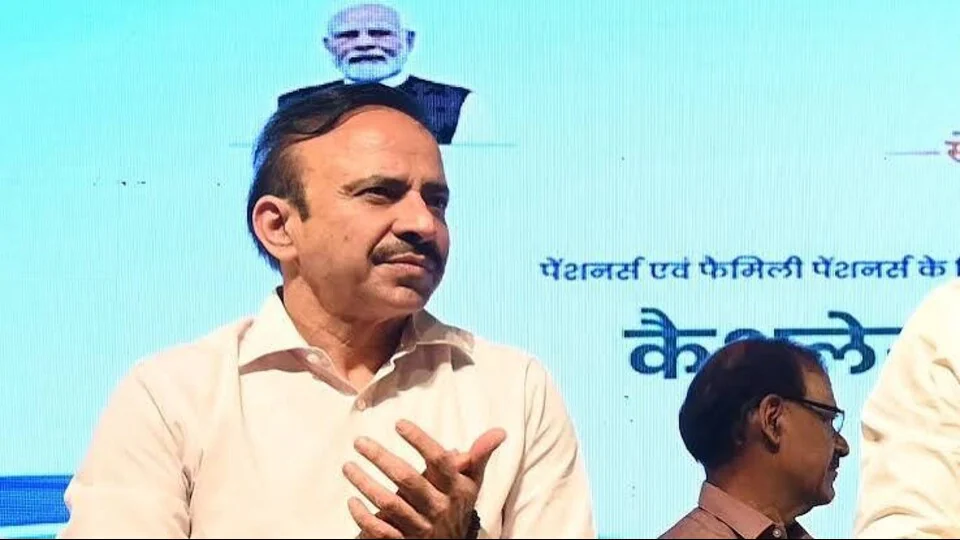
Employees of five GMCs, Anantnag, Baramulla, Doda, Kathua and Rajouri, have been protesting against the delay in their service recruitment rules for the past seven years.
These five GMCs were established in 2019. More than 3,300 non-gazetted employees, including nursing, paramedical, clerical and multitasking staff, are affected by the delay.
The protesting employees alleged that the prolonged delay in notifying the rules has stalled their career prospects and affected fresh recruitment in these institutions, adversely affecting healthcare services at the five medical colleges.
Yadav interacted with the employees and, according to reports, told them that the government was aware of the issue and that he had taken up the matter with the secretary, health and medical education department.
Yadav appealed to the protesting employees to suspend their strike, resume duties and give the administration one month to resolve the issue.
Earlier, Yadav reviewed the progress of key developmental projects, assessed sports and educational infrastructure, inspected healthcare and power facilities, and took stock of restoration works at important historical sites in the district.
He also visited the historic Chingus Sarai, an important heritage site historically used by the Mughals as a transit camp during their annual journeys to Kashmir and reviewed the proposed restoration and preservation plan estimated to cost ₹1.75 crore.











